The Silent Pressure Men Carry
Stress and emotional pressure are a part of life for everyone, but for many men, these feelings are often carried quietly. From a young age, society teaches messages like “man up,” “be tough,” or “handle it yourself.” These messages are reinforced by family, peers, and culture, shaping how men express or suppress their emotions.
Over time, this pressure can make it incredibly difficult to admit when you are struggling. You might feel anxious, burned out, overwhelmed, or stuck in a constant state of survival. Instead of reaching out, many men push through alone, believing it is the only way to stay strong. If this sounds familiar, you are not alone, and what you’re feeling is understandable.
Understanding Mental Health Stigma in Men
Mental health stigma among men is a real and pervasive issue. Strength is often defined as emotional control, independence, and resilience without support. While these traits can be valuable, they can also create unrealistic standards where vulnerability feels like failure.
This stigma may lead men to avoid talking about their feelings, minimize their struggles, or worry that seeking help will make them appear weak. Over time, the weight of unspoken stress can manifest in irritability, withdrawal, exhaustion, or even physical symptoms like headaches or trouble sleeping. Recognizing that mental health is not a weakness, but a fundamental part of overall well-being, is the first step toward breaking the cycle of silence.
How Mental Health Struggles Show Up
Not all struggles look the same, and mental health challenges don’t always present as obvious sadness or anxiety. Many men experience stress and burnout in subtle ways.
You might notice constant tension, irritability, or difficulty sleeping. You may feel disconnected from family or friends, lose interest in activities you once enjoyed, or rely on distractions such as work, screens, or substances to cope. These experiences are valid and acknowledging them is essential. Ignoring them may allow stress to build, impacting your overall health and quality of life.
A Real-Life Pattern: Avoidance vs. Awareness
To better illustrate, consider a man who works long hours and provides for his family. On the outside, everything looks stable – he’s doing what society expects of him. Internally, however, he feels overwhelmed and emotionally drained.
At the end of the day, he distracts himself with his phone, binge-watching shows, or working late, avoiding his feelings instead of confronting them. In the moment, these actions provide temporary relief, but later he may feel frustrated, anxious, or disconnected from himself and others. Over time, this pattern can create a cycle of stress and isolation that becomes harder to break.
Shifting Toward Healthier Coping
Now imagine a slight shift in this scenario. Instead of automatically numbing out, he pauses and acknowledges his stress. He takes a short walk, writes in journal for a few minutes, or calls a trusted friend to share how he’s feeling.
This small act of self-awareness does not erase stress, but it allows him to process it in a healthier way. Over time, consistent small steps like these can help him feel more grounded, present, and in control of his emotional well-being.
Problem-Focused vs. Emotion-Focused Coping
Understanding the different types of coping strategies can also be helpful.
Problem-focused coping involves taking action to address the source of stress directly – setting boundaries, having difficult conversations, or making changes in your environment.
Emotion-focused coping helps manage the feelings associated with stress; mindfulness, deep breathing, journaling, physical activity, or talking with someone you trust.
Both are valuable, and the most effective approach often involves balancing them.
Building Healthier Habits Starts Small
Building healthy coping skills is a process, and it often starts with small, intentional changes. One important first step is acknowledging what you are feeling.
Simply naming your emotions “I’m anxious” or “I’m overwhelmed”, is an act of self-compassion. From there, consider ways to express or release those feelings through movement, writing, creativity, or mindfulness. Over time, these practices replace automatic reactions that may not serve you.
The Role of Therapy
Therapy can play a crucial role in helping men navigate these challenges. In a safe, confidential setting, therapy provides a space to explore patterns, process experiences, and learn practical tools to manage stress, anxiety, and burnout.
Many men find that therapy helps them improve communication, set boundaries, and reconnect with themselves. It’s not about “fixing” you; it’s about equipping you with support and strategies to live a more balanced, empowered life.
Practical Tool: Controlled Breathing
Practical tools can make a noticeable difference in daily life. One example is square breathing: Inhale for 4 seconds, hold for 4 seconds, exhale for 4 seconds, hold for 4 seconds.
Repeat for a few minutes. This simple technique can regulate your nervous system and create a sense of calm during stressful moments.
Redefining Strength
Redefining strength is key to overcoming stigma. Many men have been taught that strength means hiding vulnerability and enduring hardship alone.
Strength includes being honest about your feelings, setting boundaries, asking for help, practicing self-awareness and compassion.
True resilience is not isolation; it’s knowing when to seek support.
Support Comes in Many Forms
Support doesn’t have to come only from therapy. Friends, family, mentors, and daily habits all play a role. Getting enough sleep, staying active, and creating space for reflection contribute to emotional balance.
A combination of support systems and healthy coping strategies creates a sustainable way to manage stress and prevent burnout.
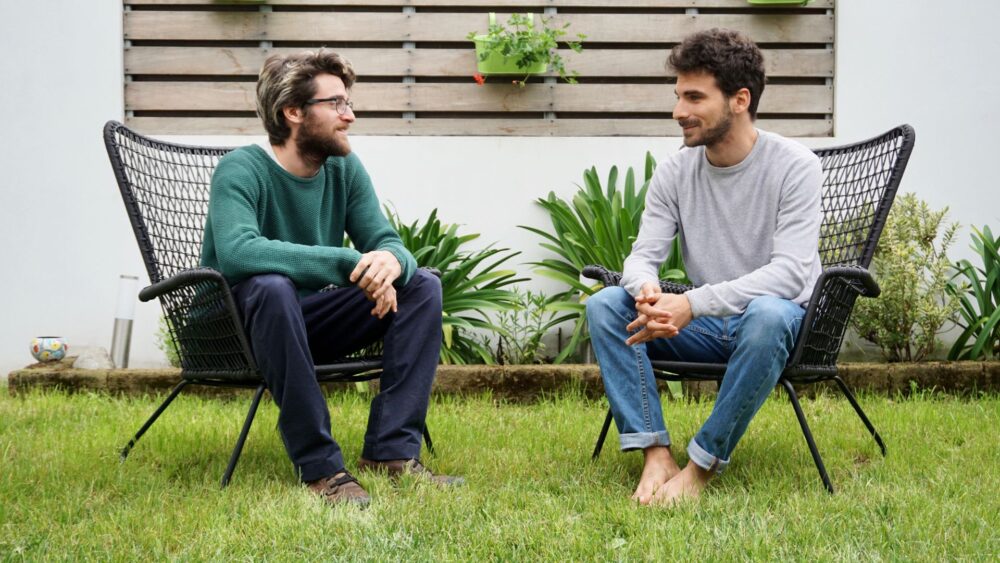
Breaking the Cycle of Silence
If you’ve been carrying stress or emotional weight in silence, know this: you are not weak—you are human. Asking for help is a sign of courage and self-awareness.
By acknowledging your feelings, using healthier coping strategies, and connecting with support, you can break the cycle of isolation and build a stronger, more balanced sense of self.
Taking the First Step
Recovery and growth are possible. The first step is often the hardest—but also the most meaningful. Whether it’s practicing breathing, journaling, or reaching out to a therapist, each step matters.
You deserve support, understanding, and tools that help you live fully—without the burden of silence.
“Restoring Balance. Reclaiming You.”
About The Author

Elisë Pennington, LCSW-C
Elisë created Rise & Restore Wellness with a commitment to providing care that blends evidence-based therapy, practical tools, and genuine human connection. Beyond therapy sessions, the goal is to inspire self-compassion, resilience, and growth for every individual who walks through our doors.